
From Mountain Meadows to Salty Shores: Fireside Feasts and Living Larders
Today we explore Seasonal Alpine-Adriatic Foodways: Foraging, Fermentation, and Hearth Cooking, following scents from spruce-brushed pastures to wave-salted harbors. We will wander with basket and knife, tend crocks that fizz like mountain streams, and coax supper from iron resting on friendly embers. Expect practical wisdom, family stories, and seasonal maps that help you cook with instinct, thrift, and joy. Bring questions, share your memories, and settle in beside the fire as we cook what the landscape and weather generously offer.
Seasons Woven Between Snowlines and Tides
Microclimates tie together glaciers, bee-loud orchards, limestone karst, and breezy piers, so the calendar is written by thaw, blossom, sun, fog, and snow. Learning these turns lets you shop, forage, and preserve with calm confidence, building a pantry that respects storms, surprises, and neighbors’ advice.
Forager’s Sense: Reading Woods, Meadows, and Karst
Foraging rewards patience and humility. Knowing when to pass by a mushroom, thank a wind-bent juniper, or leave berries for bears keeps ecosystems resilient and your apron clean. You’ll taste more by taking less, asking elders, carrying a field guide, and tracking your places.
Safety, Ethics, and Respect
Identify twice, harvest once, and keep notes about habitats, smells, and companions that return each year like a familiar song. Stay off private land, step softly on moss, and never uproot. A basket becomes a promise when curiosity meets restraint and gratitude.
Five Reliable Wild Staples
Nettles for soups and gnocchi, sorrel for brightening fish, ramsons for punchy pestos, chanterelles for buttered toasts, and tiny alpine strawberries for spirits or jam. Learn their seasons, drying methods, and storage jars, so you can turn brief appearances into long friendships.
Cabbage and Turnip Alchemy
Pack shredded leaves or ribbons of turnip with measured salt, then massage until they glisten like first frost on meadow grass. Weight them calmly, keep air out, and listen for gentle fizzing. Weeks later, stews sing brighter, and sandwiches remember summer gardens.
Grains, Starters, and Quiet Warmth
A spoon of yesterday’s levain, a bowl of rye and spelt, and a corner near the stove teach patience better than any clock. Dough swells softly, crust darkens, and breakfast carries the smell of evenings spent listening to crackling wood.
Cured by Wind and Salt
Sea salt, clean pork, and the bora’s cold breath work slowly on hams hanging in limestone air. Though not fermentation, microflora still whisper, building perfume. Thin slices, dark bread, and pickled turnip show how weather seasons food as surely as spice.
Fire as Ingredient: Hearth Techniques That Shape Flavor
Fire rewards listening. Flames brag; embers reason. Learn to bank coals, preheat iron patiently, and move pots like chess rather than chase heat with haste. The payoff is tenderness, smoke-kissed crusts, shining broths, and a kitchen that smells like welcome.
A slow ocean of heat licks cast iron evenly, browning onions without bitterness and holding stews at a friendly murmur. Feed small sticks, clear ash channels, and listen for the soft punctuation of bubbles telling you patience is finally paying.
A wooden spoon carves yellow paths while cornmeal thickens, butter sighs, and patience strengthens forearms. Later, cheese meets onions in the same pan, crisp edges catching yesterday’s stories. Serve with sour pickles, chicory, and whatever the sea boats carried home sparkling.
Bean and barley soups, venison with juniper, or jota where sauerkraut lifts pork and potatoes, all benefit from hours unhurried. Skim gently, taste often, and finish with grated horseradish or parsley. The bowl becomes shelter when outside bites hard and bright.
Cheese, Anchovy, and Mountain Honey
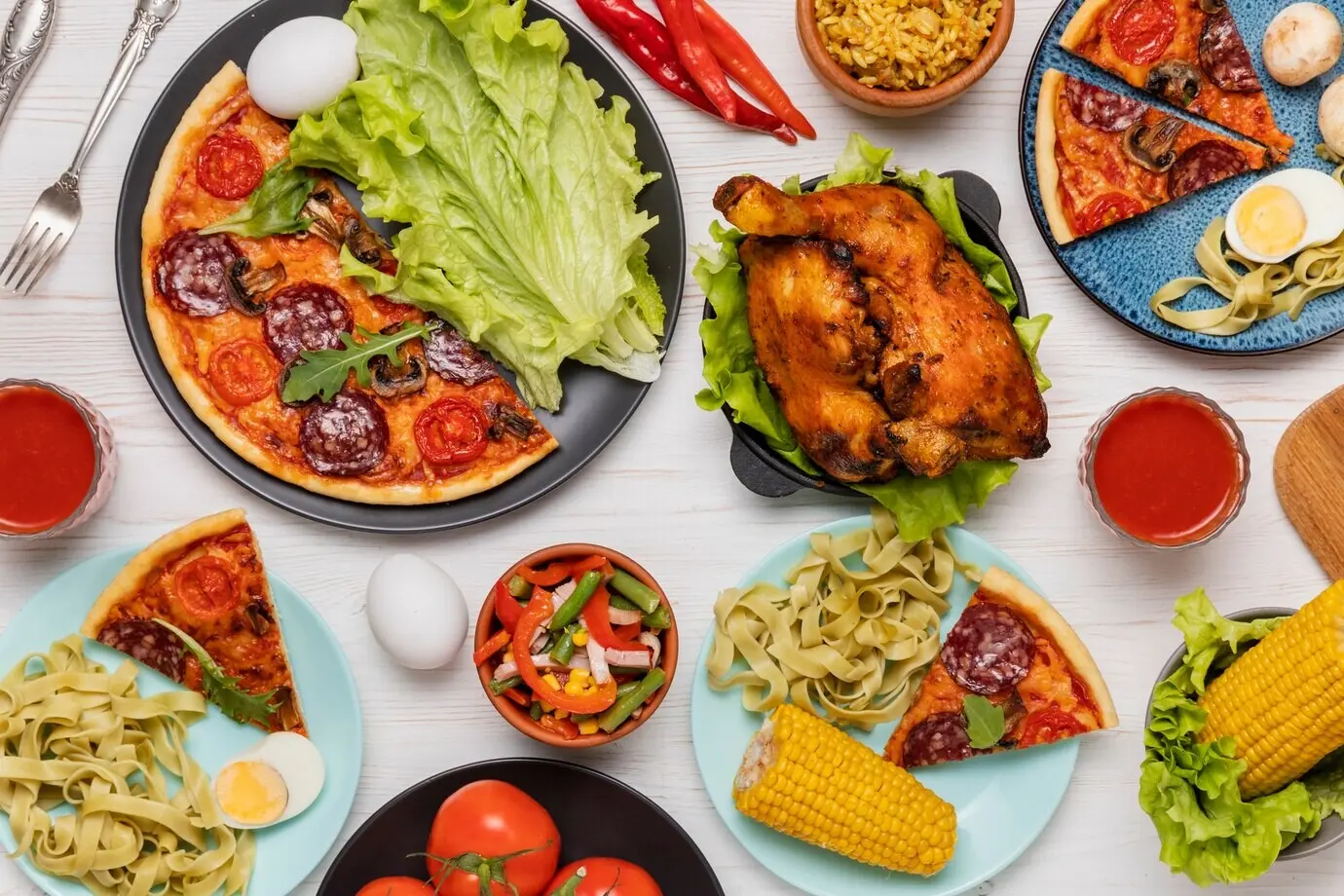
A thin slice of aged cow’s milk, one anchovy laid with care, and a breath of dark honey taste like pasture leaning toward surf. Pepper counsels restraint, lemon zest brightens, and a crisp heel of bread carries everything without argument.
Herbs, Citrus, and Smoke
Rosemary, bay, and thyme marry grilled mackerel while a whisper of lemon negotiates between char and ocean. Spruce tips or juniper can echo high meadows without overwhelming. Finish with olive oil and cracked barley to connect shoreline to saddle.
Wines with Nerve
Teran brings iron-rich snap to pork and sauerkraut, while Rebula, sometimes skin-contact and amber, loves seafood stews and cheese-laced potatoes. Pour lightly chilled, watch how salt and acidity trade compliments, and do not fear rustic glasses that clink like bells.
Wild Greens Frittata for a Wet Spring Night
Beat eggs with grated hard cheese, fold in chopped nettles and ramsons, and set the pan on mellow embers until the center barely trembles. A squeeze of lemon, bitter chicory beside, and warm bread make rain feel like an ally.

Bean, Sauerkraut, and Barley Pot for Long Evenings
Sweat onions in fat, add beans, sauerkraut, and a grip of soaked barley, then cover with stock and ignore the clock. When spoons stand politely, finish with parsley and garlic. Tomorrow’s bowl tastes even friendlier, especially after a snowy walk.
Gathering the Table: Community, Stewardship, and Sharing
Cooking this way gathers people as surely as a bell gathers evening. Stories ride steam, skill grows through generous mistakes, and landscapes feel closer when we taste their weather. Share notes in the comments, subscribe for seasonal updates, and join our fireside conversations.
All Rights Reserved.